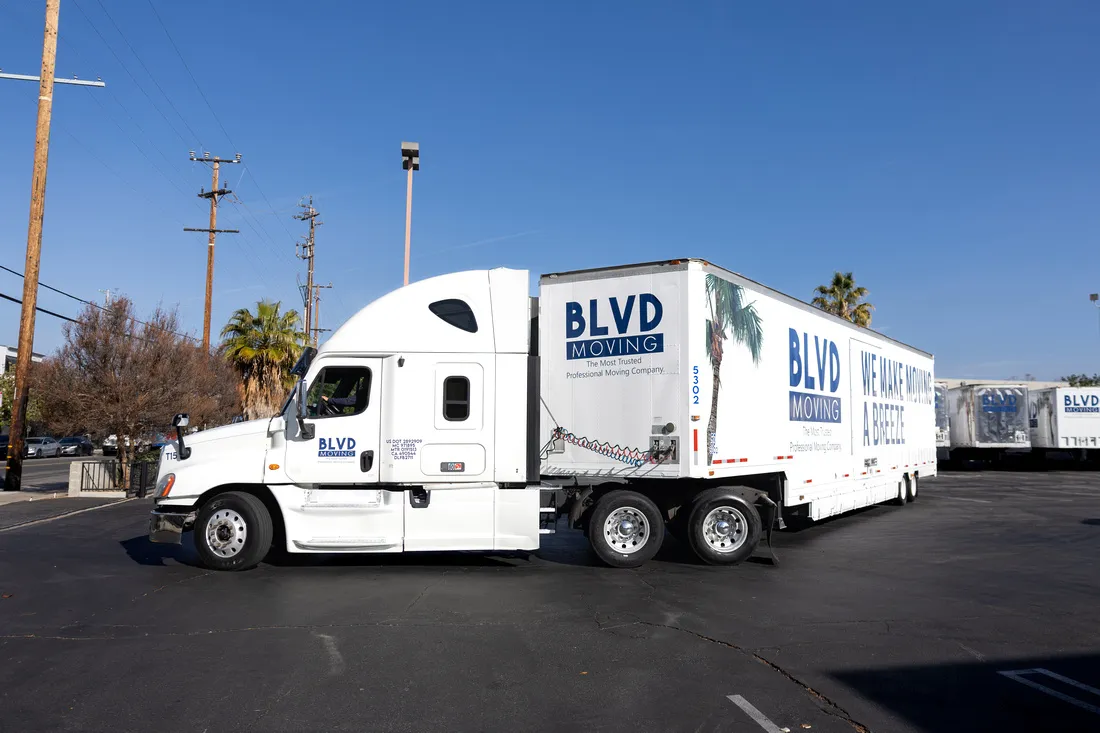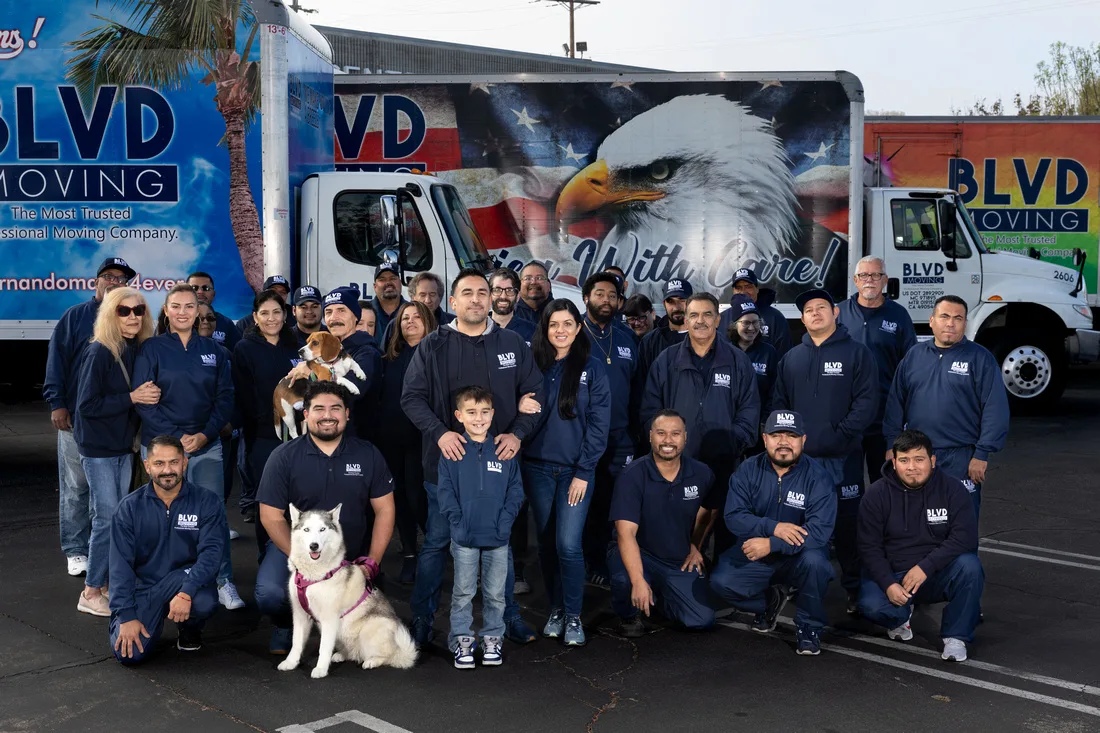
BLVD Moving team standing beside branded moving trucks

Mover or broker · Know the difference

Know who is responsible for transporting your move.

Before you book, identify whether the company will transport the shipment or arrange service with another mover. Then match that answer to the registration, written estimate, and move documents.

Published USDOT
2892909
Published MC
971895
Verify
Legal name + authority
Review
Estimate + move documents

The operating difference

Transportation and arrangement are different responsibilities.

Federal guidance separates the company performing transportation from a company arranging it. Your estimate and disclosures should make the relationship clear.

Moving company

Responsible for transporting the shipment.

A registered household-goods mover transports the shipment and assumes responsibility for the transportation service described in the move documents.

  • Uses moving staff and transportation equipment
  • Provides the transportation service
  • Issues documents for the move it performs
  • Can be verified through its USDOT identity
Moving broker

Arranges service with a separate mover.

A broker connects the customer with a registered mover. The broker does not transport the household goods and must disclose its role.

  • Arranges transportation with a mover
  • Does not operate as the transporting carrier
  • Must identify its broker status
  • Should identify the movers in its network
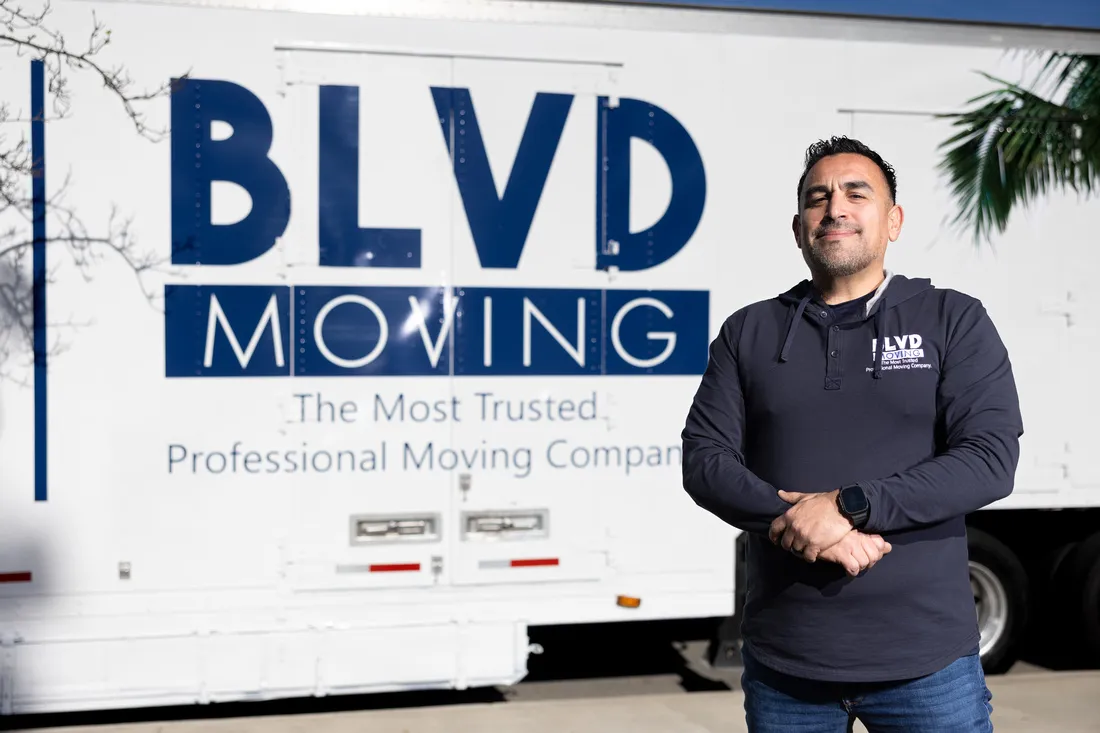
BLVD Moving leadership beside a branded moving truck

Verify before you sign

A logo is not a registration check.

Use the legal company name and USDOT number shown in the written documents to review current federal records. Confirm who will perform transportation and ask questions before signing.

01

Ask whether the company is a mover or broker.

02

Verify the legal name and USDOT identity.

03

Confirm who will transport the shipment.

04

Compare the written estimate with the requested scope.

05

Read the required move documents before pickup.

Official federal resources

Check the source—not a sales claim.

FMCSA publishes consumer guidance, mover registration information, and the federal materials used to prepare for an interstate move.

BLVD Moving tractor-trailer prepared for interstate transportation

Mover and broker questions

Get the operating relationship in writing.

Federal resources provide general guidance. The legal names, registrations, estimates, disclosures, and move documents determine the companies and terms involved in a specific shipment.

01What is the difference between a moving company and a broker?

The Federal Motor Carrier Safety Administration explains that a moving company transports household goods, while a broker arranges transportation with a registered mover and is not authorized to transport the shipment itself.

02How can I tell whether I am working with a mover or a broker?

Ask the company directly, review its written estimate and disclosures, verify its registration through official FMCSA resources, and confirm the legal name and USDOT number of the company that will transport your shipment.

03Should I verify a USDOT number before booking?

Yes. Use official FMCSA resources to review current registration and safety information. Match the legal name, contact information, operating authority, and USDOT number to the company and documents involved in your move.

04What documents should I review for an interstate move?

Review the written estimate, order for service, bill of lading, inventory, valuation and coverage options, applicable charges, and the federal Rights and Responsibilities booklet before the move begins.

Plan with the company handling the details

Connect the estimate to the actual move.

Share the route, inventory, dates, access, packing, storage, and delivery requirements so the proposed transportation plan can be reviewed with you.