
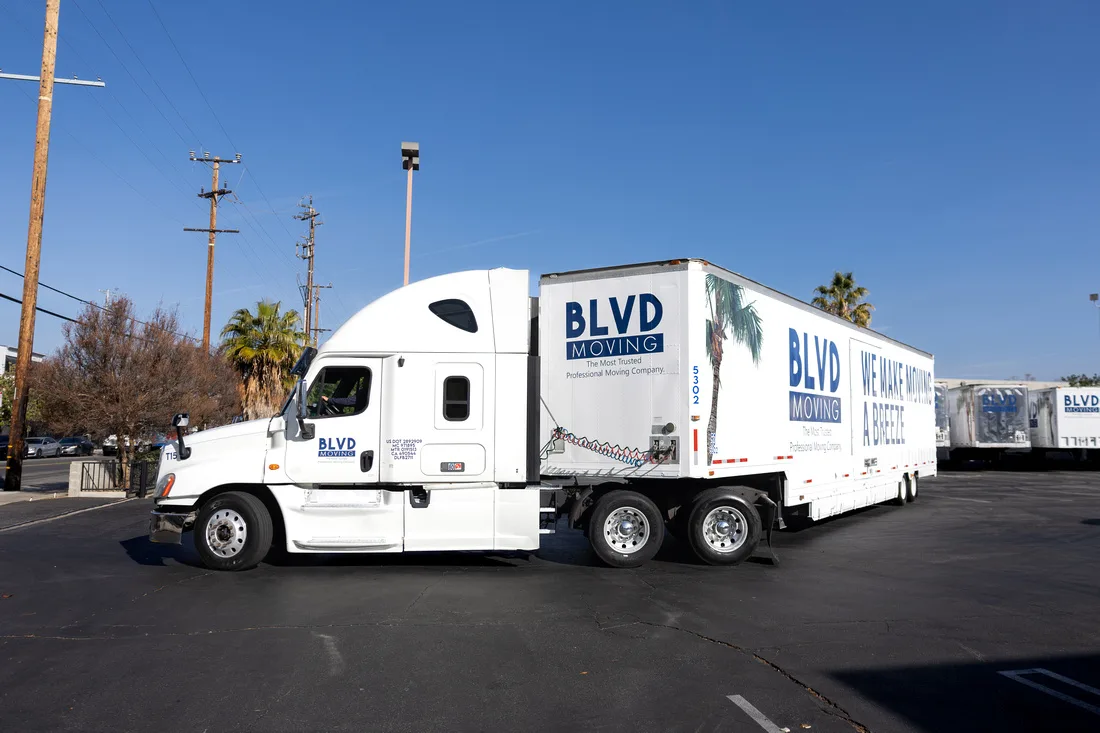

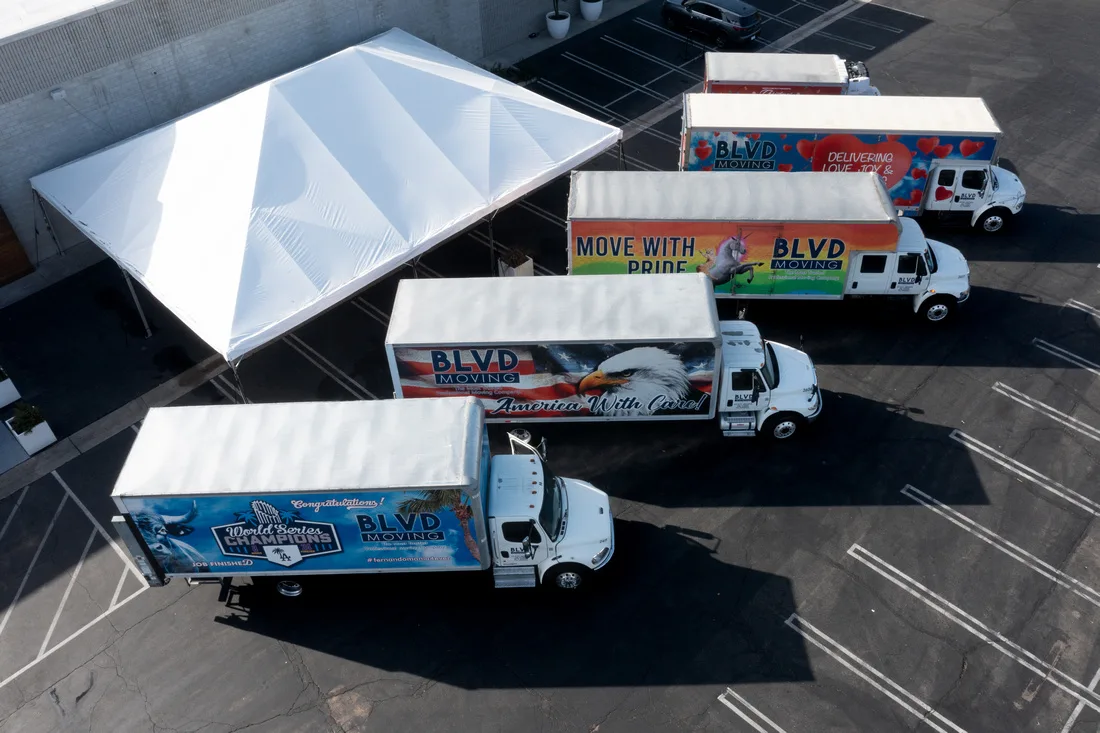
Box trucks
BLVD reviews inventory, route, access, parking, loading conditions, protection, storage, and delivery requirements before matching equipment to the work.
A truck cannot solve a planning problem that was never documented. BLVD uses the inventory, property conditions, route, dates, and service scope to review the vehicle, equipment, crew, loading sequence, and access plan.
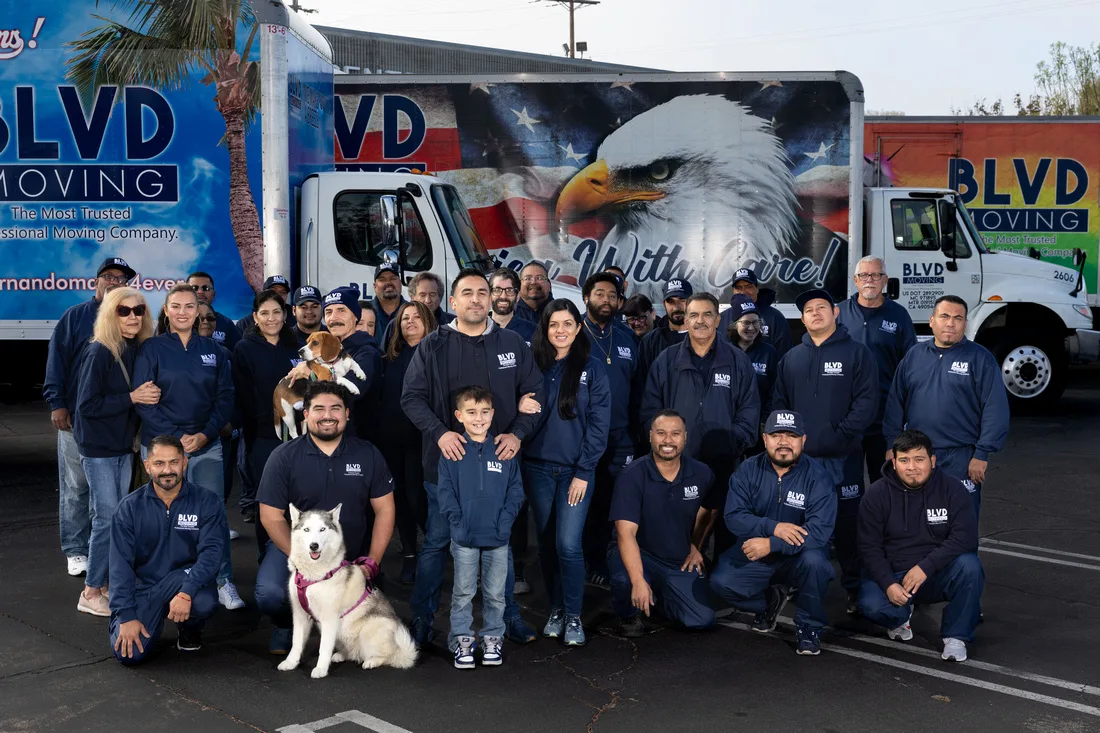
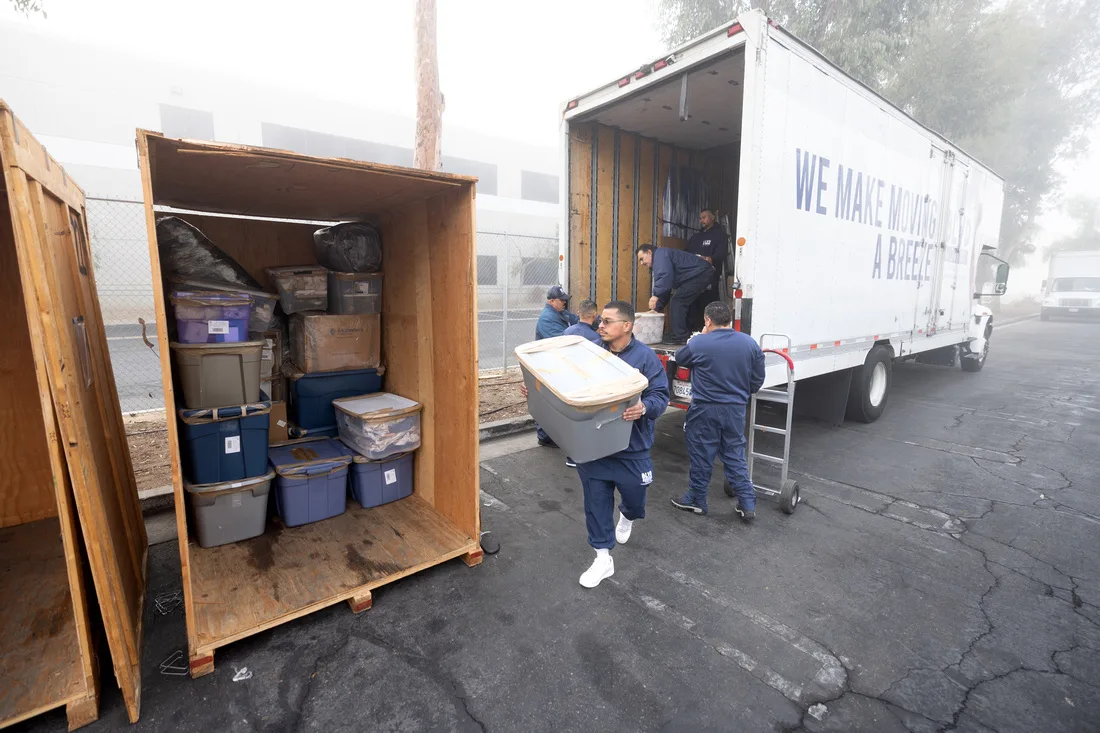
A move may require more than one equipment decision. Identify the constraints early so the scope can reflect the actual work.
Parking, loading zones, gates, driveways, elevators, stairs, and carry distance.
Protection, staging, item sequence, weight distribution, and specialty handling.
Vehicle assignment, route, storage when applicable, and delivery planning.
Access confirmation, unloading sequence, room placement, inventory, and completion.
Fleet + crew — equipment is only useful when the people and plan are aligned.
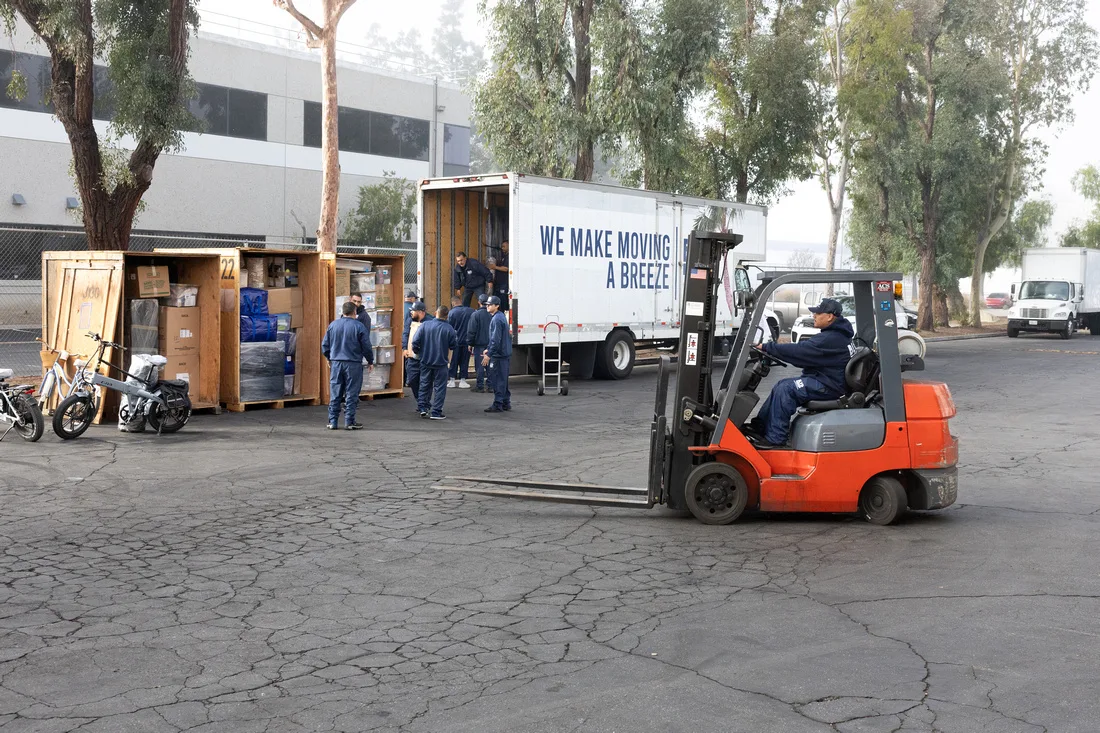
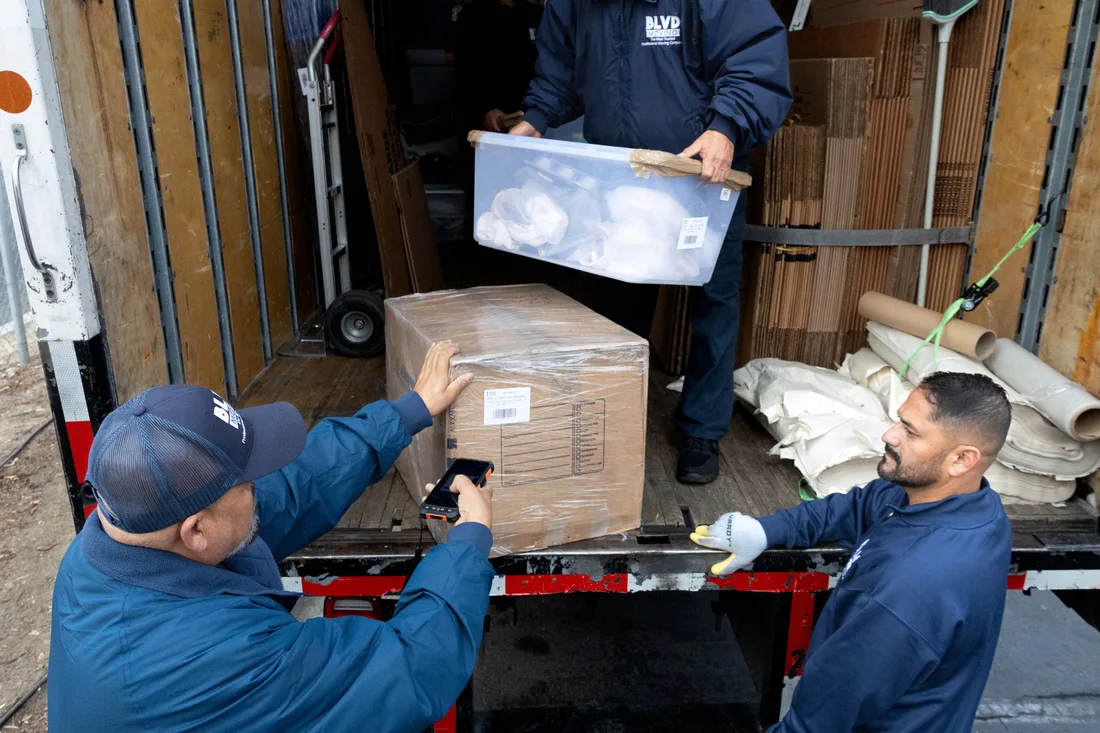
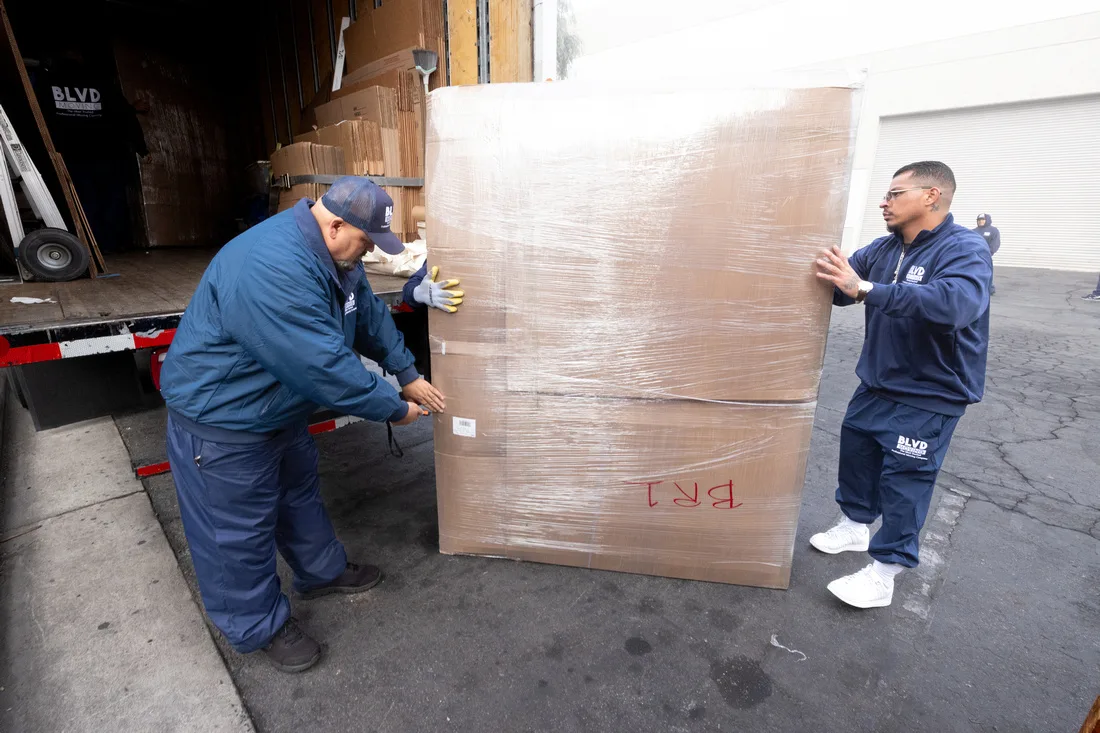
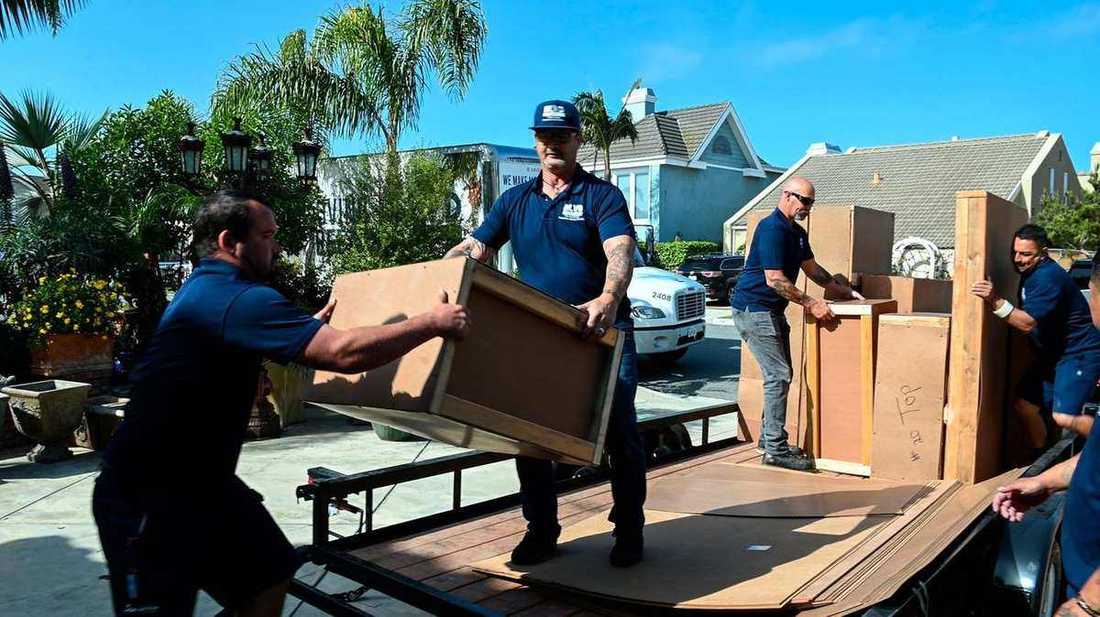
California moves planned around access, inventory, timing, packing, and the details of both properties.
View service →Interstate relocation planning with route, delivery-window, inventory, packing, and storage coordination.
View service →Apartment, condo, and household moves organized around stairs, elevators, parking, and room placement.
View service →Custom boxing, wrapping, crating, labeling, barcodes, scan checkpoints, and inventory documentation.
View service →The equipment plan is based on the route, inventory, property access, parking and loading conditions, building requirements, service scope, and schedule. Confirm the planned equipment with your relocation consultant.
Equipment and handling plans vary by move. Local work, interstate transportation, storage, access restrictions, and delivery conditions can require different vehicles or transfer steps. Review the written plan for your shipment.
The team can review street width, gates, driveways, loading zones, height limits, parking rules, and walking distance. If alternate equipment or a shuttle is needed, it should be identified and reflected in the move plan.
Yes. When storage is included, the plan can connect container or warehouse intake, inventory records, handling, release timing, vehicle assignment, and final delivery.